My Time at J&J
In our first year of MBA, we were asked to write down three dream companies we wanted to work at. Johnson & Johnson was one of the names I put down. So back in 2023 at the peak of the placement season, when the placement cell called to tell me I’d made it through, I was over the moon.
Fast forward two years, and I’m sitting down to write this on my last day at J&J. It has been a ride. I explored a brand new industry, figured out how a B2B setup works for a corporate, met customers all on my own, juggled multiple stakeholders and, of course, made some amazing friends and mentors along the way.
I wanted to write this blog as a deep dive into the industry because I always want to look back at what all my first ever job taught me, but also this industry is so niche that I always faced a challenge explaining to people the intricacies of it. This blog serves as long explanation of what I used to do. So, brace yourselves because I am going to teach you about the orthopaedics industry like no one ever has (or at least I’ll try to).
An Industry Built on Trust
Orthopaedic industry may be niche but it’s one of the most challenging industry that I know of. Mainly because at the core of it, it is built on relationships. Relationships with the surgeons, hospital staff, hospital management, dealers (AKA distributors) and of course, the team.
Here, the products are the implants which are technical in nature. As a sales rep, you’re expected to be fluent in all the jargon and understand the science behind every implant. Coming from a non-medical background, that was personally a bit of a climb for me, but the trainings were rigorous enough to close the gap.
The dealers are just as crucial. They’re the ones who help us out when an implant is URGENTLY required before a surgery, so maintaining that relationship matters just as much as the one with the surgeon (more on that, below).
How the Business Actually Runs
Unlike FMCG, where stock is sold to the distributor who further sells it to the retailer, here it moves from the company to the dealer, who holds the inventory and supplies it for every single surgery. This gets challenging for the dealer as, over 50 implants get supplied for a case, and only 3 are actually used. That means the dealer’s inventory costs are high, and the ROI takes much longer to show up than it would for, say, an FMCG distributor. There’s a lot of logistics too. We don’t just send implants, we send instruments alongside them. And the dealer has to hold the entire inventory of the 50 implants, because every implant comes in different sizes, and any size could be needed depending on the patient.
Every surgery also needs its own set of instruments based on the implants involved, be it a knee replacement, a hip replacement, a revision, or a bipolar surgery. These instruments are expensive, so instead of every dealer buying a full set, we allocate them based on volume. The more cases a dealer does, the more instruments they get. Leadership even tracks the ROI on this basis the number of surgeries done per instrument set. Higher, obviously, is better.
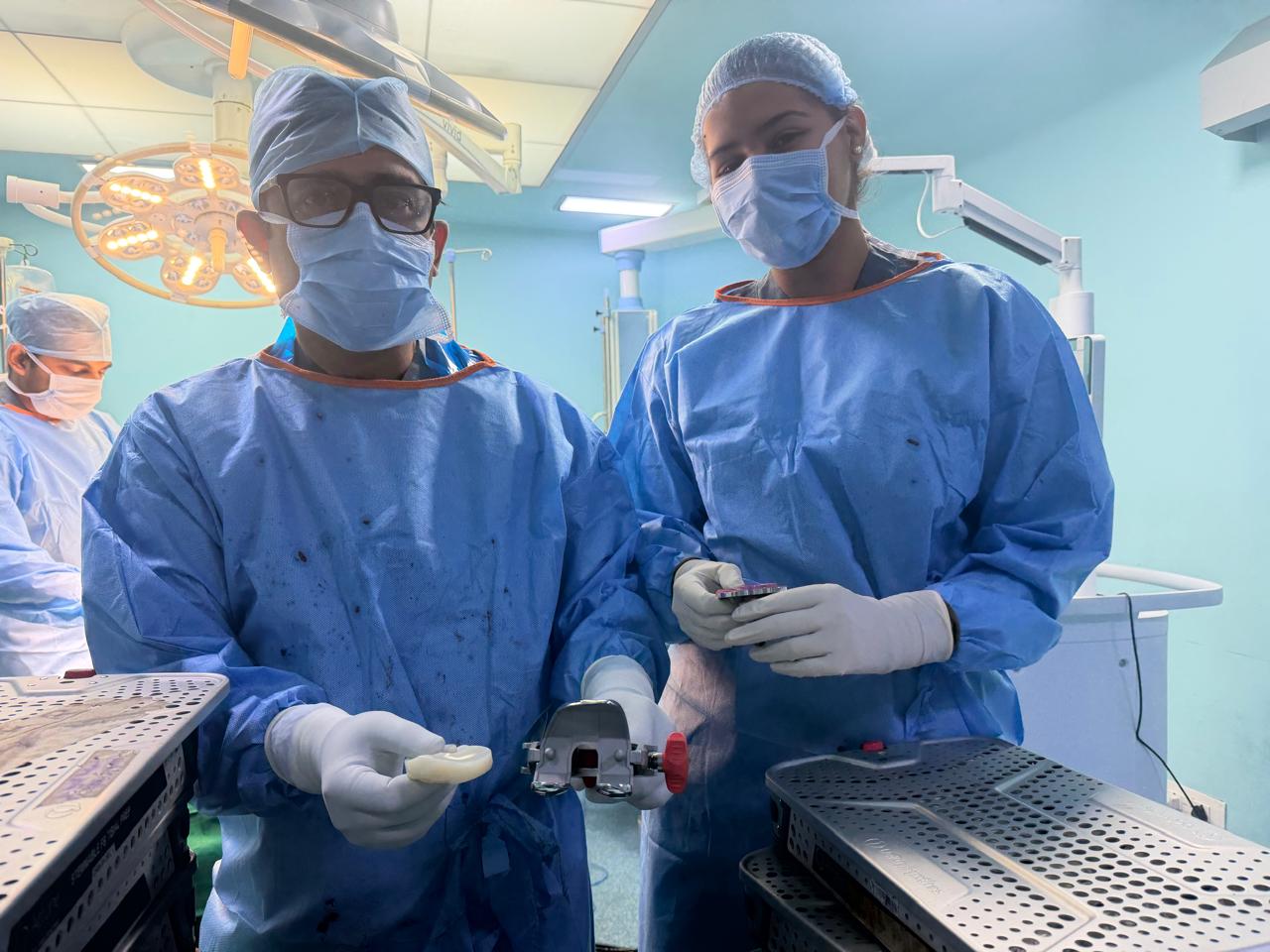
Also, we also track the logistics before every surgery. This is done just to double check whether all the implants and instruments were supplied correctly. We need to ensure that there are absolutely no challenges at the time of the surgery.
Pricing gets a little complicated too, because instead of looking at the price for each implant, we price by construct. A construct is a combination of implants that are always used together. Without getting too technical, a knee replacement needs three implants: Femur, Insert and Tibia, and they can never be sold independently. So the construct price covers all three as one unit. The construct depends on the type of surgery, of course.
Life Inside the OT
As a sales rep, we’re also expected to show up for surgeries ourselves. I know that sounds unusual to most people outside this industry, but it makes complete sense once you’re in it. We’re trained rigorously to handle instruments and implants and are prepared for everything that could go wrong in the OT. When we go in, we arrange the instruments, hand them to the surgeon, and solve queries with respect to the technical features of the implant. As company reps, we’re trusted to know everything about what we’re supplying, so we do exactly that.
The Long Game of Trust
Because this is such a high-value, high-trust business, the conversion cycle is long, at least 6 months of consistently showing up before a surgeon fully trusts you. It takes time, but it’s worth it! And when we were selling something bigger, like our robotic machine, the cycle stretched even further, because now we weren’t just talking to the surgeon. We were talking to purchase heads, CEOs, medical directors, an entire management committee that all had to be on board before a hospital would commit, we used to refer to them as non-clinical stakeholders.
My Journey at J&J
I joined straight from campus as a management trainee: 6 months in marketing, followed by 1.5 years in sales, both within orthopaedics.
My Marketing Stint
Marketing in healthcare comes with its own guardrails. While we can’t talk about our products directly, but we can talk about the disease itself, in this case, arthritis. During my time in marketing, I worked on India’s first-ever direct-to-patient campaign aimed at educating people about arthritis. We ran it across print and radio to reach every corner of the country, and got surgeons nationwide involved to talk about the disease. Beyond being a great customer engagement exercise, the awareness numbers spoke for themselves.
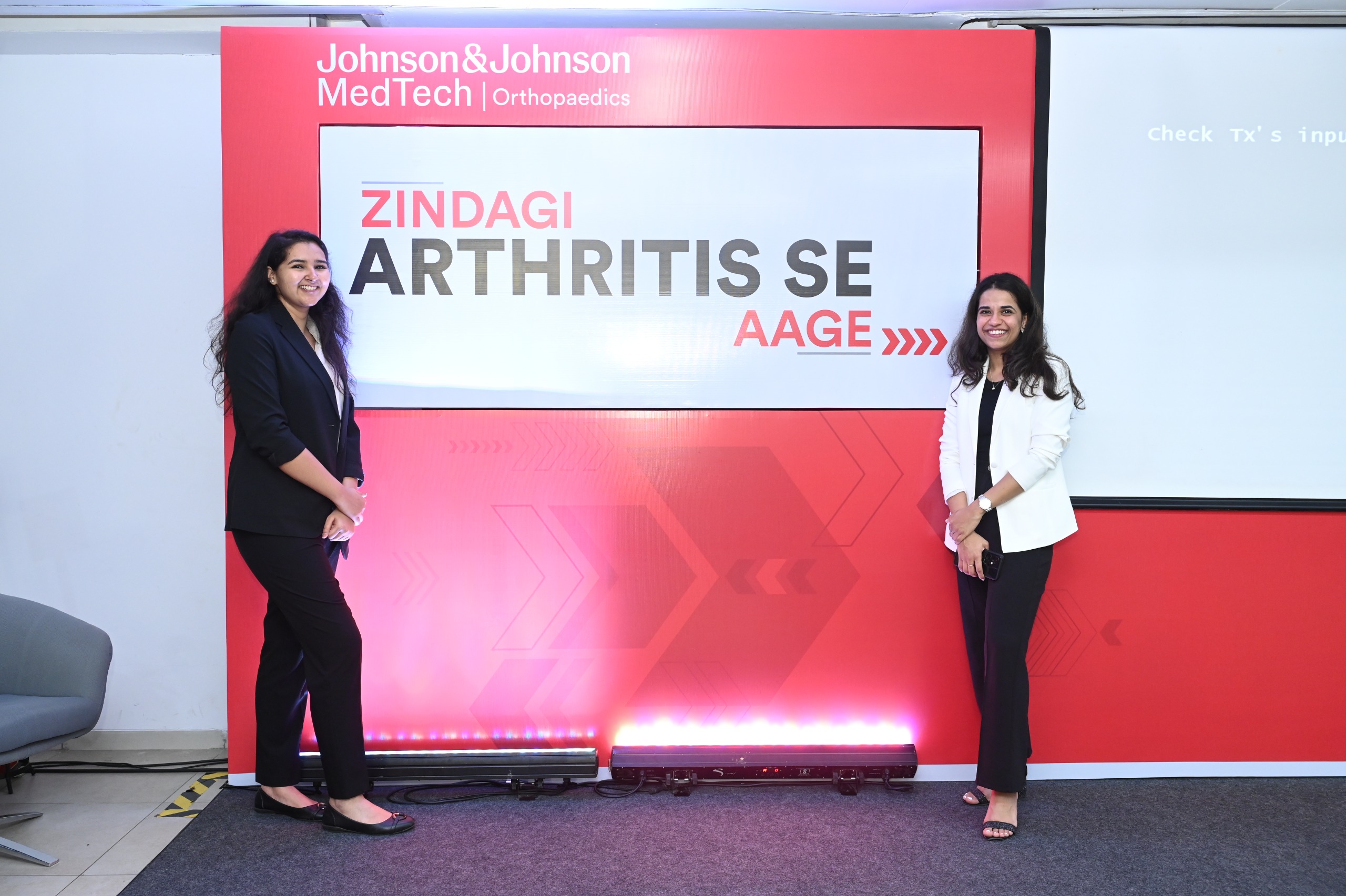
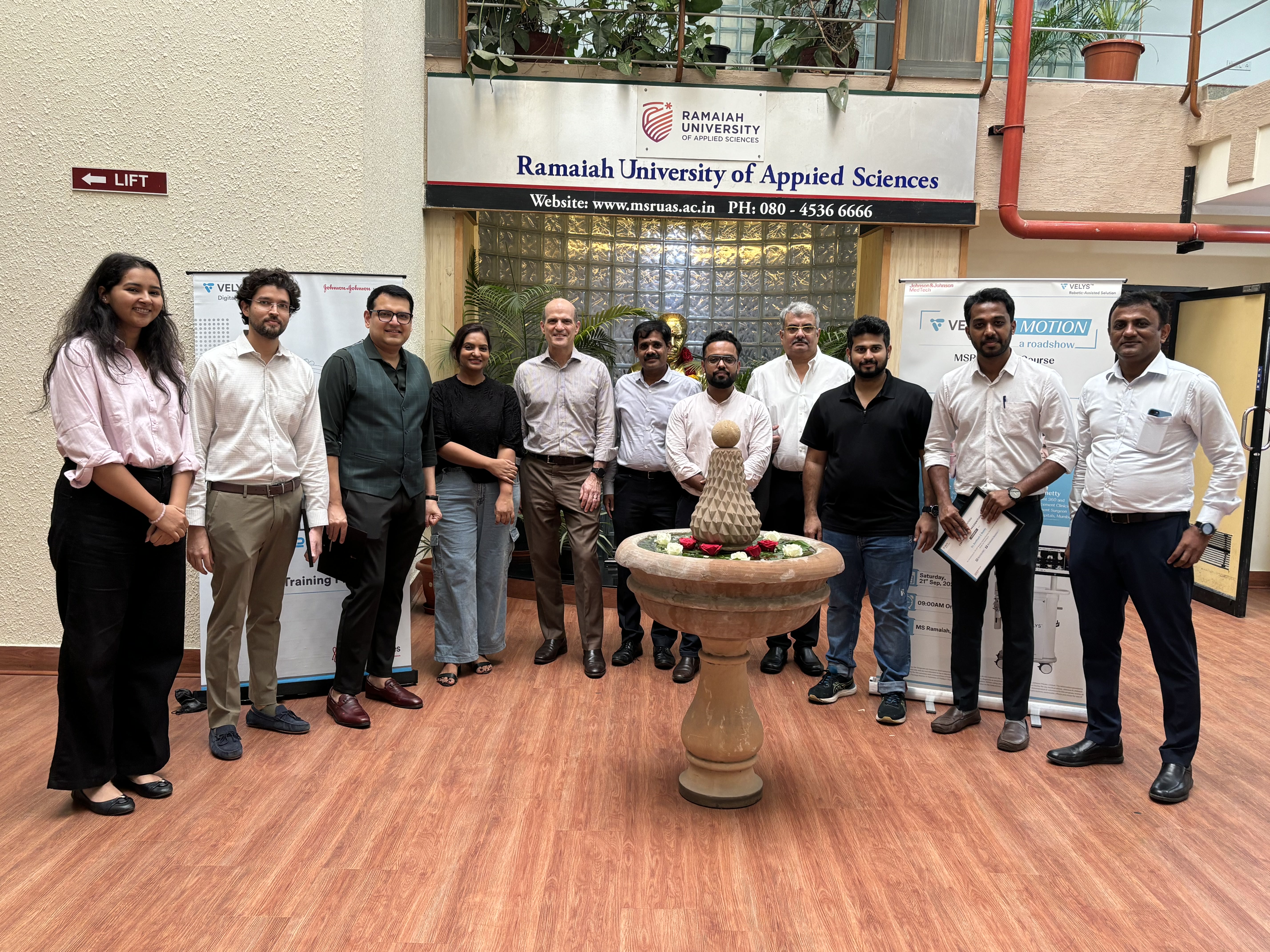
I was primarily a part of the robotics team where I worked on the first robotic roadshow across the metros, Delhi, Mumbai, Bangalore and Kolkata. We flew in a surgeon from New Zealand to meet customers, walk them through the product, and answer their questions. I looked at the branding for the roadshow, manage the logistics, and travel with the surgeon across cities, picking up a much deeper understanding of the product along the way. It remains one of the most fun projects I’ve worked on.
Marketing in the healthcare industry is limited, but what we do have is interesting. In-clinic branding is one of them, those posters and standees you’ve probably seen at a hospital or clinic, always put up with permission of the hospital or the surgeon. I also worked on patient collaterals, the handouts you get from a doctor explaining a disease, translated into multiple languages so they’d actually reach patients across the country.
One of my last projects in marketing was getting regulatory approval for a new product in India, building the entire business case and pitching it to the global team across multiple rounds. It took months, but we got there. I can’t share the details, but I learned an enormous amount along the way.
My Sales Role
After completing 6 months in marketing, I moved to my sales stint in Bangalore where I was later absorbed as an Area Account Manager. Sales had its own highs and lows. A surgeon once yelled at me because we missed supplying something for a case, which, in hindsight was fair. On the other end of the spectrum, one of my surgeons got genuinely emotional when I told him I was leaving, telling me how much of a difference I’d made for him behind the scenes.
From day one in sales, I was out meeting customers and attending OTs. Meeting customers came easily, I just had to talk to them, build trust, and stay on top of upcoming events, and my marketing background helped me spot what a customer actually wanted with respect to what we could realistically offer. The OT was a different story. It wasn’t the technical side that scared me, it was how new all of it was. Every time I had to scrub in, my nerves would spike. It got easier with time and with every training I sat through.
I still remember my very first day in the OT. I was standing there, getting ready to open implants for a surgeon I attended cases for almost daily, when he casually asked if I wanted to scrub in. I was caught off guard, said yes anyway, and got scrubbed in for the first time. It was terrifying, missing even one thing on that table has real consequences, but it was also the moment everything clicked into place a little more.
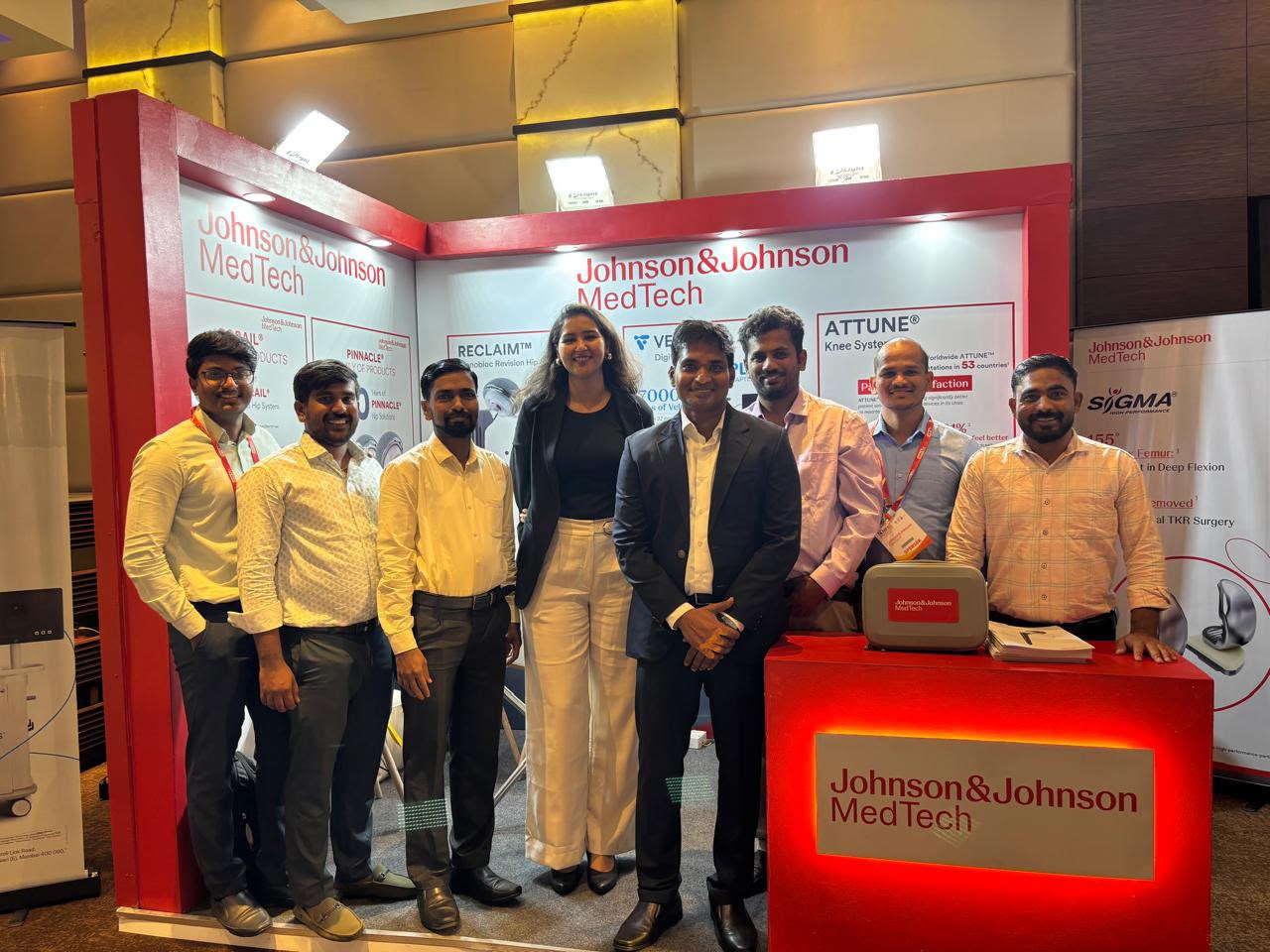
The more time I spent with customers, the more comfortable I got with the jargon, the product, all of it. Midway through the year, we launched a new product and I ran the demo across Karnataka, going to the top KOLs in Bangalore, walking them through instrument training. The results blew my mind: every single surgeon I gave a demo to started using the product, and my penetration rate for it ended up the highest in the state. Turning a demo into that kind of adoption meant a lot to me.
The second half of the year was even more of a ride, I was working two robotic deals that had been in negotiation for over a year and a half, going back and forth with no clear end in sight. Then, in the last quarter, we were able to close both deals and the machines were up and running by the last month of the last quarter. It was one of my biggest wins, it pushed my volume to a new level and deepened those customer relationships even further, since a hospital with a robotic placement opens up a lot more room to collaborate.
One of the most challenging (read as: frustrating) parts of this role, at least for me, was surgery allocation. We obviously can’t attend every surgery ourselves, so we lean on a team of CSRs (Clinical Sales Reps) who scrub in and assist on our behalf. We trained them just as rigorously, since they’re representing the company in the OT too. Allocating them is similar to planning a beat: listing every surgery happening the next day and deciding who goes where, factoring in timing, distance, and even which surgeons had a preferred CSR they trusted. We’d plan this every evening for the next day, only for new cases to come in overnight and force us to redo the entire list. Yes, it got chaotic.
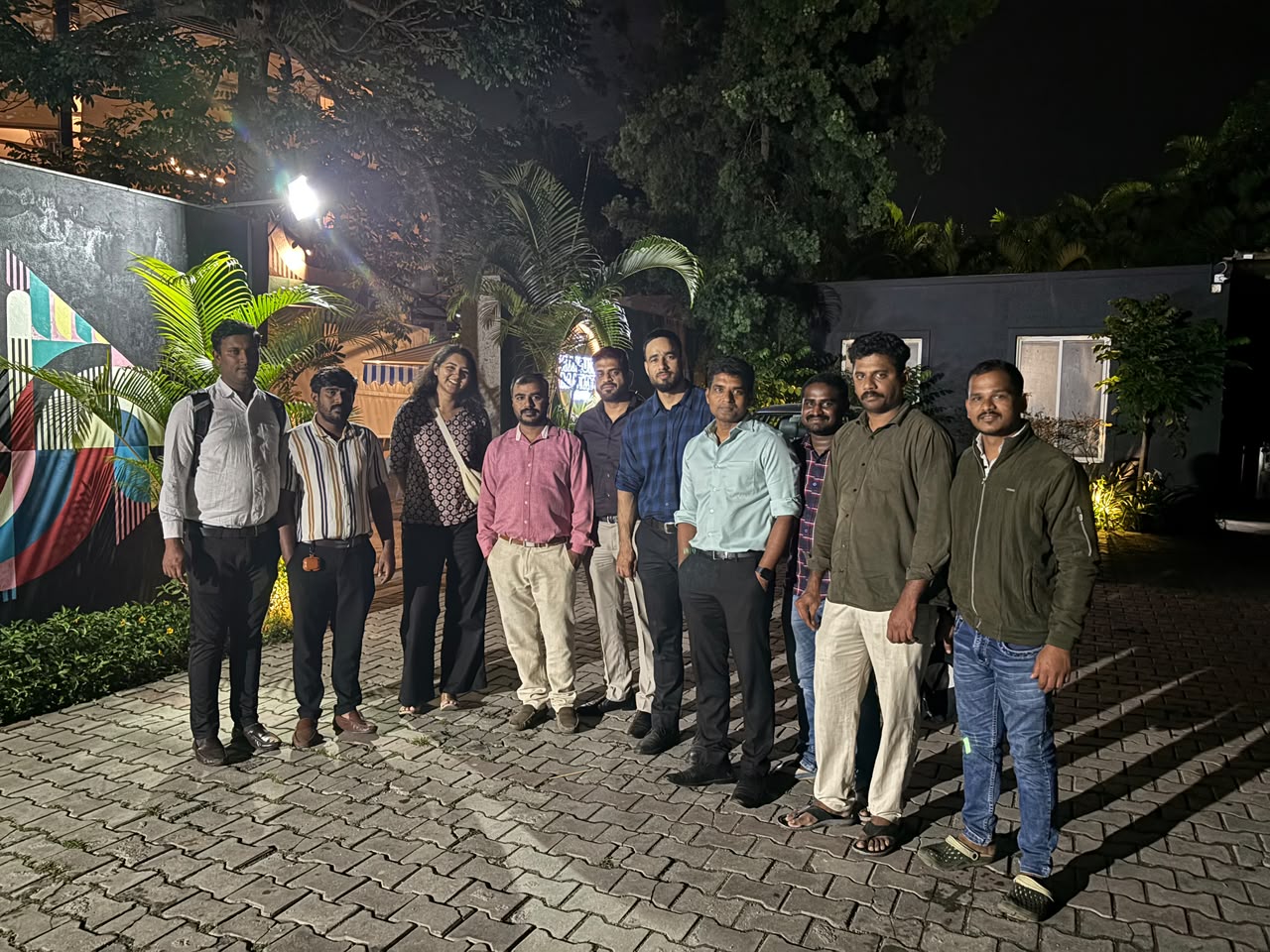
Sales, on the whole, gave me something I didn’t expect: confidence. Confidence to talk to people, to try new things, to trust that I could figure something out even if I was starting it from scratch. The robotic deals were a big part of that, but so was training my CSR team. Not on products, but on how they carried themselves and spoke to surgeons. I’d sit them down and have them run through their own introductions just to see how they showed up. Building a team like that is something I always find fulfilling, and I finally got the chance to actually do it.
Wrapping Up
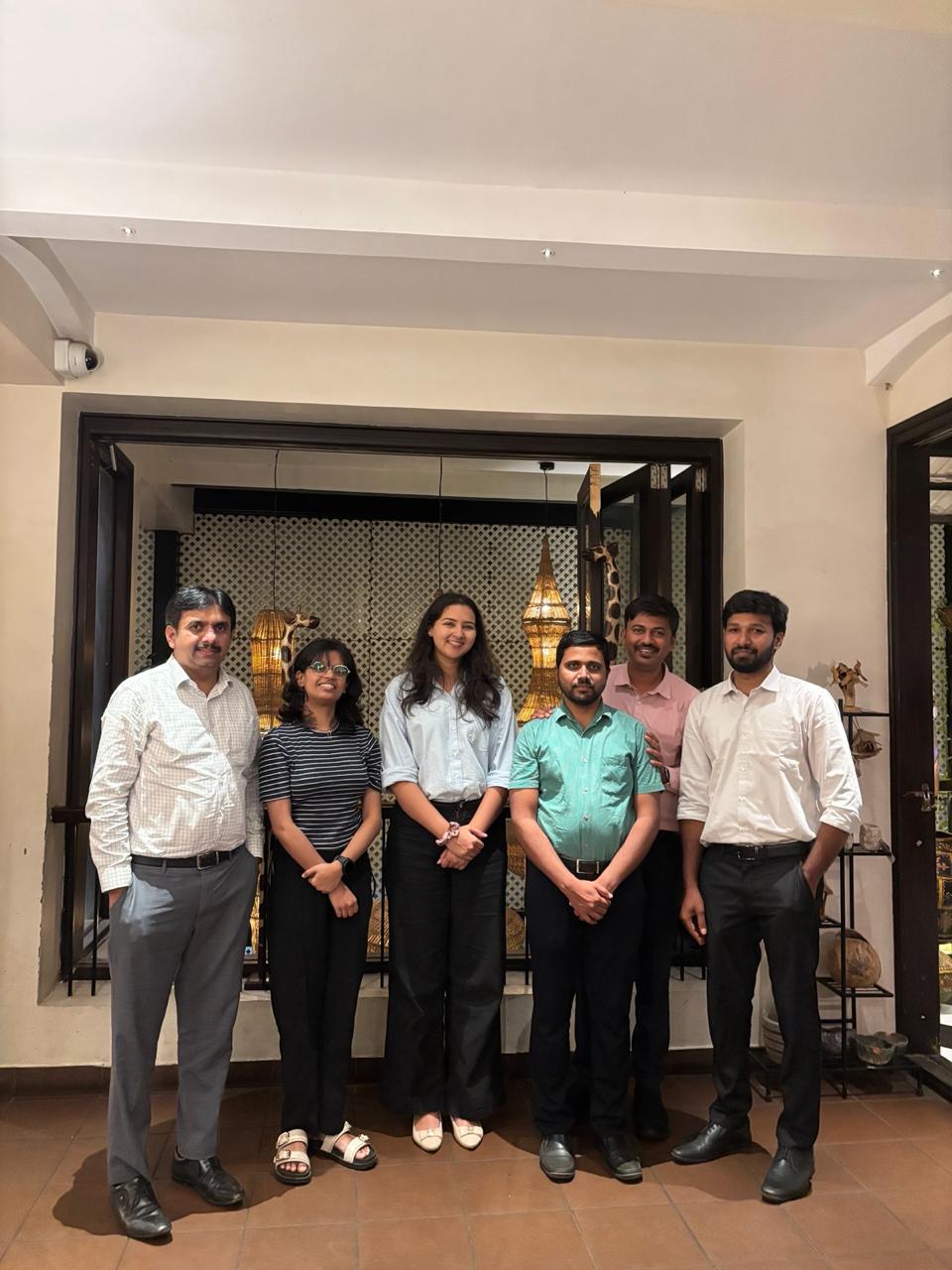
My two years at J&J were amazing. It was my first job, so there was a lot I didn’t know how to do, a lot I was doing for the first time, and so much to learn. I’ll always look back at this chapter with a lot of fondness, and I’m super excited for the adventure that awaits!